


Dr. Rocco C. Piazza, MD, FACS
Board-certified plastic surgeon · The Piazza Center, Austin, Texas
Medically reviewed · Updated September 2026
The Short Answer
Does zinc oxide help melasma?
Yes, for UV. It's the broadest-spectrum UV filter available
What SPF doesn't cover
Visible light, which also darkens melasma
The established fix
Iron oxides — the pigments in tinted sunscreen
The clear alternative
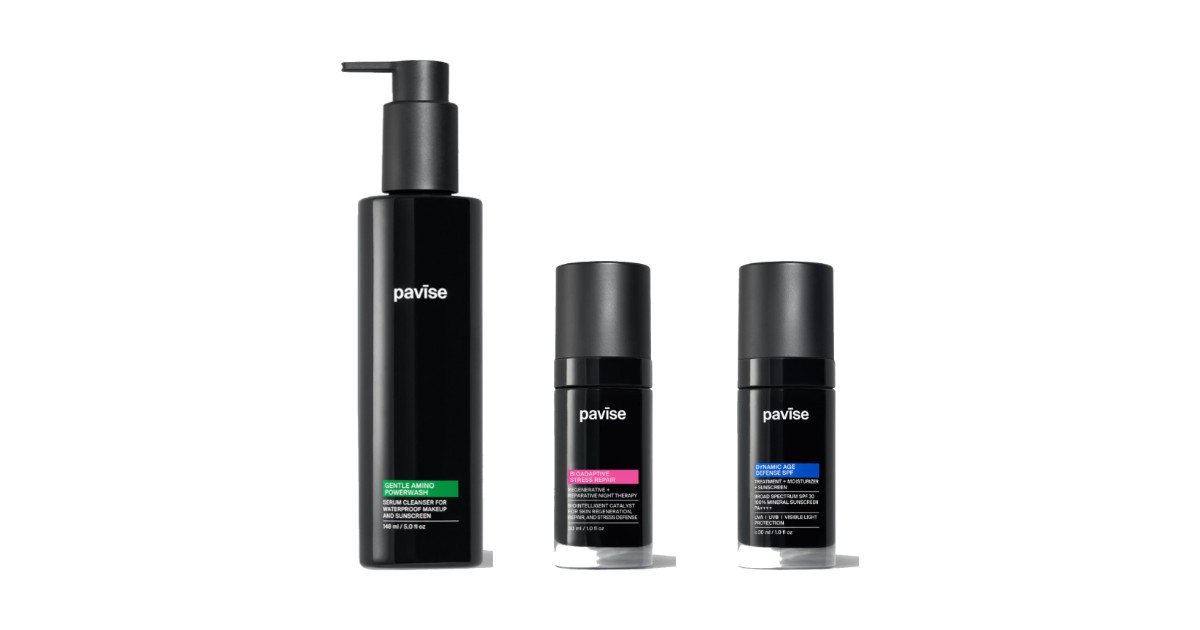
Pavise, which takes a different route without a tint
Value pick
EltaMD UV Clear Tinted SPF 46, $45
Reapply
Every 2 hours outdoors
Bottom line: zinc oxide is the right UV filter for melasma, but SPF says nothing about visible light. You close that gap either with an iron-oxide tint — the route with the strongest independent evidence — or with a clear formula built to address visible light, which is the route Pavise takes.
If you have melasma, you've probably been told to wear a mineral sunscreen with zinc oxide. That's good advice, as far as it goes. Zinc oxide is gentle, stable, and covers both UVB and the long UVA wavelengths that drive pigment. But many patients follow that advice perfectly and still watch their patches darken.
The missing piece is visible light. This guide explains what zinc oxide does and doesn't do for melasma, the two different ways a sunscreen can close the visible-light gap, and how strong the evidence is behind each.
What zinc oxide does for melasma
Zinc oxide is a mineral UV filter. It protects across UVB (burning rays) and UVA (the deeper, tanning and aging rays), including the long-wave UVA1 range that many filters cover poorly. For melasma-prone skin it has three advantages:
● Broad UV coverage
Covers UVB through UVA1 with a single ingredient.
● Gentle
Rarely irritating. That matters, because irritation itself can trigger pigment.
● Stable
Doesn't break down in sunlight the way some chemical filters do.
What SPF doesn't tell you: visible light
Visible light, the part of sunlight you can see, makes up roughly 45% of the sun's output, and research shows it can darken skin and worsen melasma, especially in medium and deeper skin tones. It also passes straight through window glass, which UVB largely does not.
SPF is a measurement of UVB protection only. "Broad spectrum" adds a claim about UVA. Neither number tells you anything about visible light — which is why a high-SPF sunscreen can be excellent and melasma can still creep back.
What each part of the spectrum does
SPF only measures UVB. A sunscreen covers the visible-light band only if it is specifically formulated to — either with an iron-oxide tint, or with another technology making that claim.
Route one: iron oxides, the evidence-backed option
Iron oxides are the mineral pigments that give tinted sunscreens their color. Because they absorb visible light, they block wavelengths that zinc lets through. This is the best-established approach, and the clinical evidence comes from independent investigators:
JDD 2025
A 12-week study of SPF 50 with iron oxide versus SPF 50 alone in melasma, reporting superior improvement in the iron-oxide arm.
Read the study →JAAD
A review of tinted versus untinted sunscreens, finding tinted mineral formulas reduce visible-light transmission more effectively.
Read the review →British Journal of Dermatology
A review of visible-light sunscreens and the role of pigmentary filters in photoprotection.
Read the review →The trade-off is the tint itself. It has to roughly match your skin, and for some people it never quite does.
Route two: a clear formula built for visible light
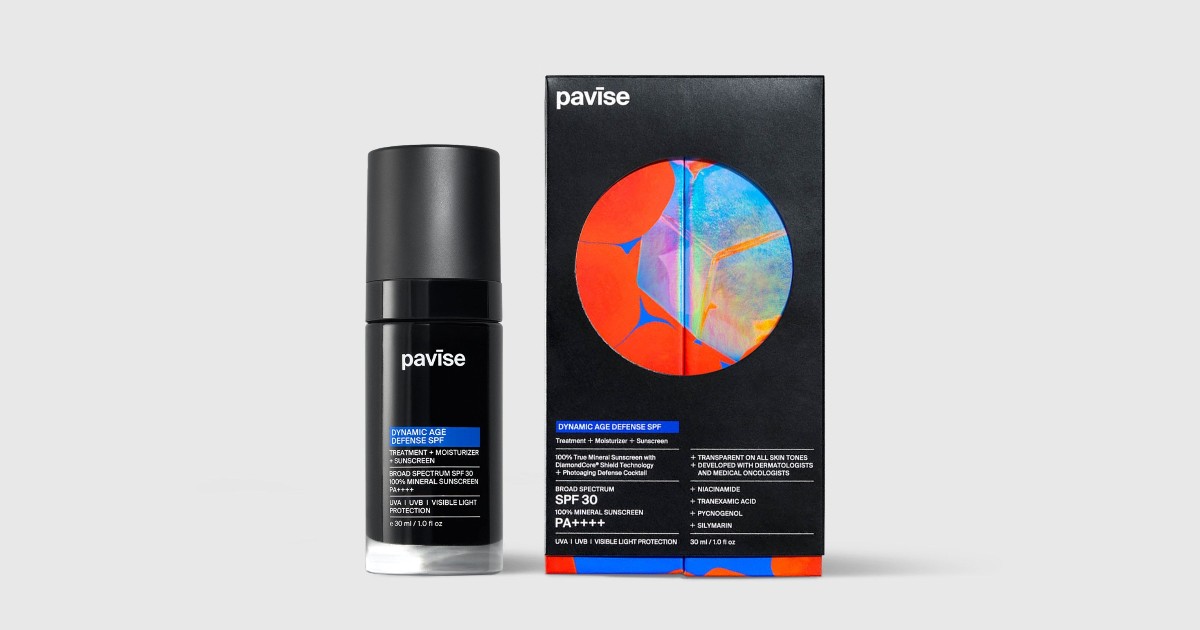
Pavise Dynamic Age Defense takes the other route. It is a 15% zinc oxide sunscreen with no iron oxides and a transparent finish, built on a nanodiamond–zinc oxide technology Pavise calls DiamondCore®. Pavise states that the formula provides visible-light protection without a tint, and formulates it with tranexamic acid and niacinamide alongside the filters.
Being straight with you about the evidence. The visible-light claim for this technology is the manufacturer's own. The published work on nanodiamond–zinc oxide is real and growing — an eight-week case series in rosacea (35 participants) reported mean erythema falling from 0.86 to 0.54 with inflammatory lesions resolved, and a separate case series reported improvement in hyperpigmentation including melasma. But those studies were funded by the manufacturer, several authors are its employees, and they measure skin outcomes rather than how much visible light the product blocks. That is a different and lighter evidential standard than the iron-oxide research above, and you should weigh it accordingly.
Which route is right for you
| Iron-oxide tint | Pavise (clear) | |
|---|---|---|
| How it addresses visible light | Mineral pigments absorb it | Nanodiamond–zinc oxide, per Pavise |
| Strength of evidence | Independent clinical research | Manufacturer-funded case series |
| Appearance | Tinted — must match your skin | Transparent on all tones |
| Other actives | Varies; UV Clear has niacinamide | Tranexamic acid, niacinamide |
| Price | $45 | $148 |
| Best for | Most people, and anyone who wants the proven route | Anyone a tint has never suited, or who wants the added actives |
You need one of these on top of your zinc, not necessarily both. On mobile, swipe the table →
Our honest recommendation: if you are starting from scratch and price matters, buy the tinted one. It is the evidence-backed route, it costs a third as much, and the best sunscreen is the one you will actually wear. Choose Pavise when a tint has never worked for you cosmetically, or when you want tranexamic acid and niacinamide built into the same step. Layering both is an option, not a requirement — and if you do, apply the clear base first and let it set.


How to tell if your sunscreen has iron oxides
- Look at the inactive ingredients for "iron oxides" (sometimes listed as CI 77491, CI 77492, CI 77499).
- Look at the product. If it's tinted beige or brown, it almost certainly uses iron oxides.
- Don't rely on marketing terms like "blue light protection" alone. Check the ingredient list, and ask what the claim is based on.
Everything for melasma-prone skin
Our full pigment protocol: sunscreens, tints and pigment-support skincare.
Sunscreen is the foundation, not the whole plan. Melasma is a chronic, relapsing condition influenced by hormones and heat as well as light — no sunscreen clears it, and it is easy to worsen with the wrong in-office treatment. For topicals and treatments like Moxi laser, read our full guide: Treating Melasma in Austin: Why Sunscreen Fails & What Works.
“I can help rebuild collagen. I can't rebuild it faster than the sun takes it.”
— Rocco C. Piazza, MD, FACS, Board-certified plastic surgeon
Frequently asked questions
Is zinc oxide good for melasma?
Yes. Zinc oxide is an excellent, gentle UV filter and the right base for melasma-prone skin. On its own it doesn't address visible light, so you need a sunscreen that covers that too — either through an iron-oxide tint or a formula specifically built for it.
What percentage of zinc oxide is best for melasma?
There's no magic number, and the percentage mainly affects UV protection. For melasma, how the product handles visible light matters more than a few extra points of zinc.
Does Pavise Dynamic Age Defense have iron oxides?
No. It's a clear, 15% zinc oxide sunscreen with no iron oxides. Pavise's approach to visible light is its nanodiamond–zinc oxide DiamondCore® technology rather than a pigment tint, and that visible-light claim is the manufacturer's own.
Is tinted sunscreen better for melasma?
Tinted sunscreen has the strongest independent evidence for visible-light protection in melasma, so for most people it's the sensible choice. A clear formula designed for visible light is a reasonable alternative if a tint has never suited your skin tone.
Can I layer two sunscreens?
Yes, though it isn't required. Apply the clear base first, let it set, then the tinted layer. The SPF numbers don't add together.
Does blue light from screens cause melasma?
Most visible-light research looks at sunlight, which is far more intense than screens. Sunlight outdoors and through windows is the priority.
Individual results vary. This article is for educational purposes and does not constitute medical advice. Melasma is a medical condition and should be assessed by a qualified provider. Manufacturer claims are identified as such. Product prices shown were current at the time of writing and may change; see the shop for current pricing. The Piazza Center sells the products linked in this article and earns a margin on both.
Protect your results, and your skin
Get a melasma plan tailored to your skin from our team in Austin, or shop the sunscreens we recommend today.
Dr. Rocco Piazza II
Board-Certified Plastic Surgeon
Dr. Piazza is a board-certified plastic surgeon practicing in Austin, TX. He specializes in aesthetic and reconstructive surgery with a focus on natural results.